
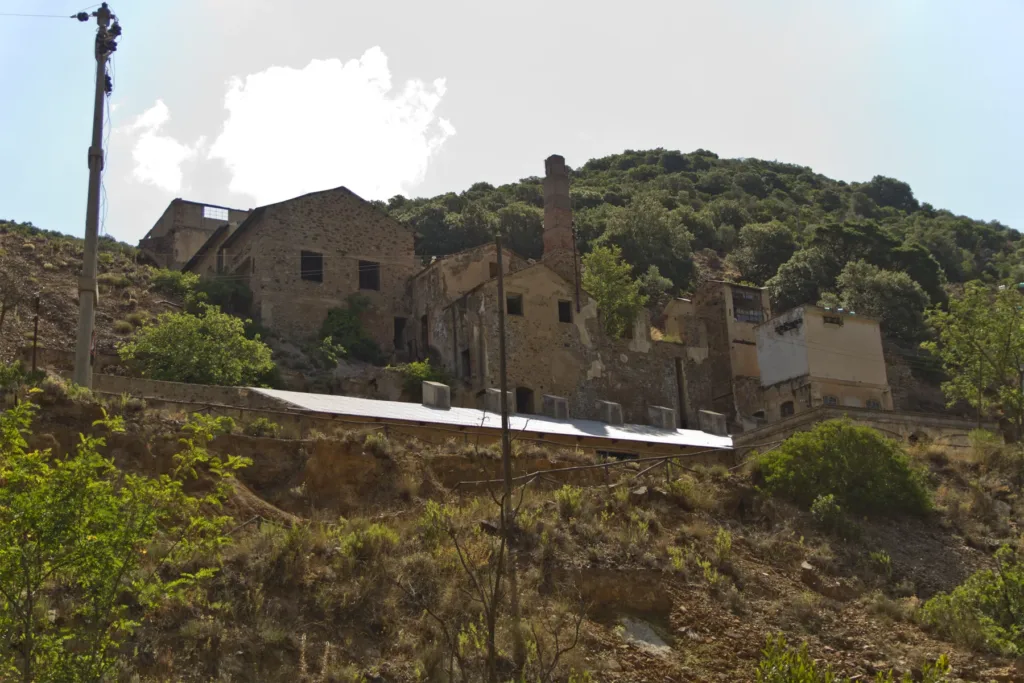

At Su Zurfuru, in the territory of Fluminimaggiore, mining history can be approached through a practical question: how did energy reach the tools used for work? The museum preserves machinery, objects and memories that connect the force of water with electricity and compressed air. This technical chain provides a way to read the site alongside the experiences collected from former miners and their families. You do not need previous knowledge of mining equipment to start distinguishing the stages involved.
A mine with changing production
The history published by the association responsible for the site dates the declaration of discovery and the concession to the Victoria Mining Limited Company to 1889, for lead and zinc. Pertusola took over in 1905. These dates help organise a visit, but should not suggest that work remained unchanged throughout a century. Equipment, products and management developed, changing the economic importance assigned to different materials extracted from the ground.
The same account identifies 1949 as the point from which fluorite became central to production, and 1993 as the year of final closure. This change offers a useful lesson: material overlooked during one period can become valuable in another. When viewing preserved equipment, ask the guide which phase it belongs to and what operation it performed. Treating every machine as part of a single moment would conceal the changes that shaped the mine’s working life.

From Pubusinu’s water to working tools
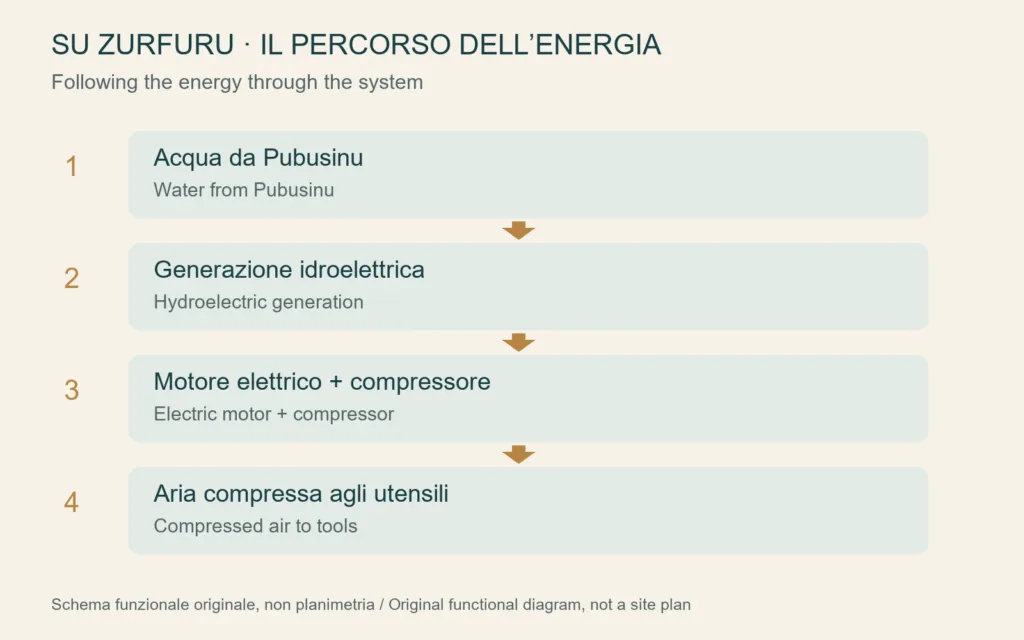
The museum’s technical account connects the spring of Pubusinu, a channel approximately five kilometres long and hydroelectric generation. An electric motor drove an American-built Ingersoll-Rand compressor, which supplied compressed air to drilling tools. These were distinct transformations: water did not travel directly into a drill, and the compressor did not generate electricity. Separating the stages makes the relationship between the installations much easier to understand.
The original editorial diagram accompanying this article summarises that functional sequence. It is not a site plan, does not represent distances and does not reconstruct every historical component. Its purpose is to follow energy through successive stages: water, electrical generation, motor and compressor, then air supplied to tools. During a visit, compare this simplified sequence with the actual machinery presented, asking which components are original and which connections remain identifiable.
Processing and separating the mineral
Su Zurfuru’s story extends beyond extraction. The museum presentation also identifies a ball mill and banks of flotation cells in the processing plant. Grinding and separation are different operations: the first reduces the size of the material, while the second helps distinguish useful components. This distinction prevents the Italian word laveria from becoming a vague label for an industrial building, obscuring why several kinds of equipment were needed inside it.
The operator’s historical account also records material arriving from neighbouring mines. Su Zurfuru should consequently be understood as a processing location as well as a place of extraction. A useful question in front of the plant is where the material entered and what form it took after treatment. Following that order gives a purpose to changes in level, connections and service spaces that might otherwise seem like an unrelated collection of industrial remains.
The people behind the objects
The Vita nel Buio collection adds documents, tools, personal belongings and lamps to the technical story. Lighting offers an accessible starting point for visitors unfamiliar with machinery because it raises the immediate question of visibility underground. An exhibit alone, however, cannot explain every working condition in a mine. Its origin, date and use, as established by the curators, matter if it is to remain a specific piece of evidence rather than a general symbol.
The Su Zurfuru Mine association has worked with the Municipality of Fluminimaggiore since May 2016. ISPRA describes how former miners and their families contributed memories and objects to the collection. Their involvement gives the museum a particular character: the equipment illustrates technologies while preserving connections with the people who used them. Listening to those accounts means allowing individual memories, documentary evidence and technical explanation to retain their different but complementary roles.
Arrange a visit with the museum
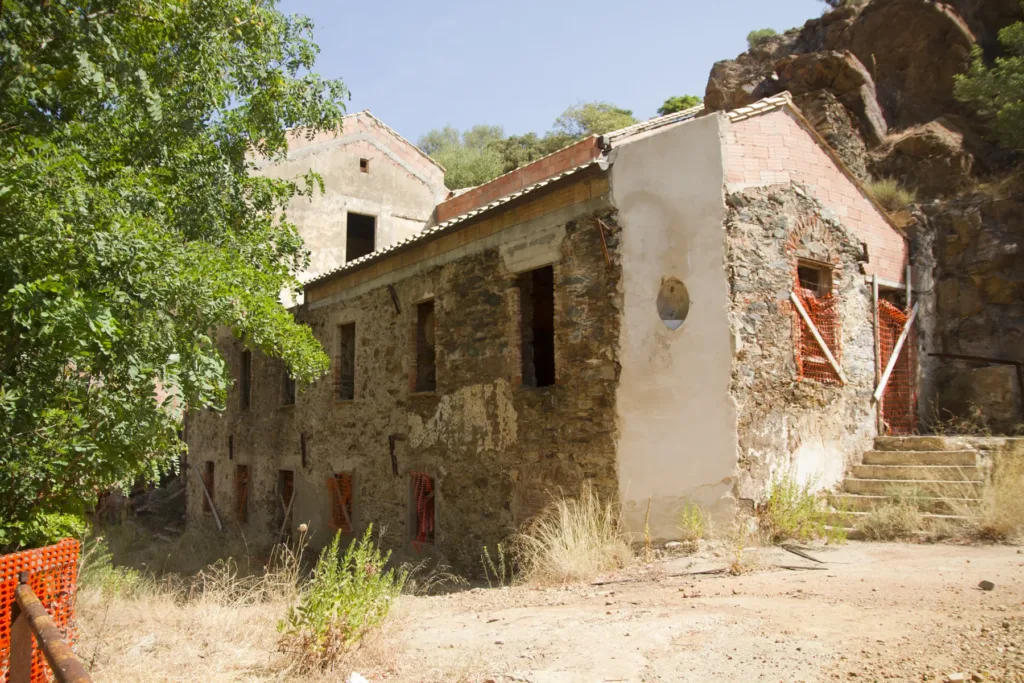
The operator states that visits require a reservation. Before travelling, use the official contact details to agree an appointment and check duration, accessible areas and the suitability of the route for any mobility requirements. The portal’s Su Zurfuru mine listing locates the site within the Fluminimaggiore directory. The photographs document its buildings, but do not establish present access to every interior. The authorised visitor route and staff instructions determine what can actually be explored.