
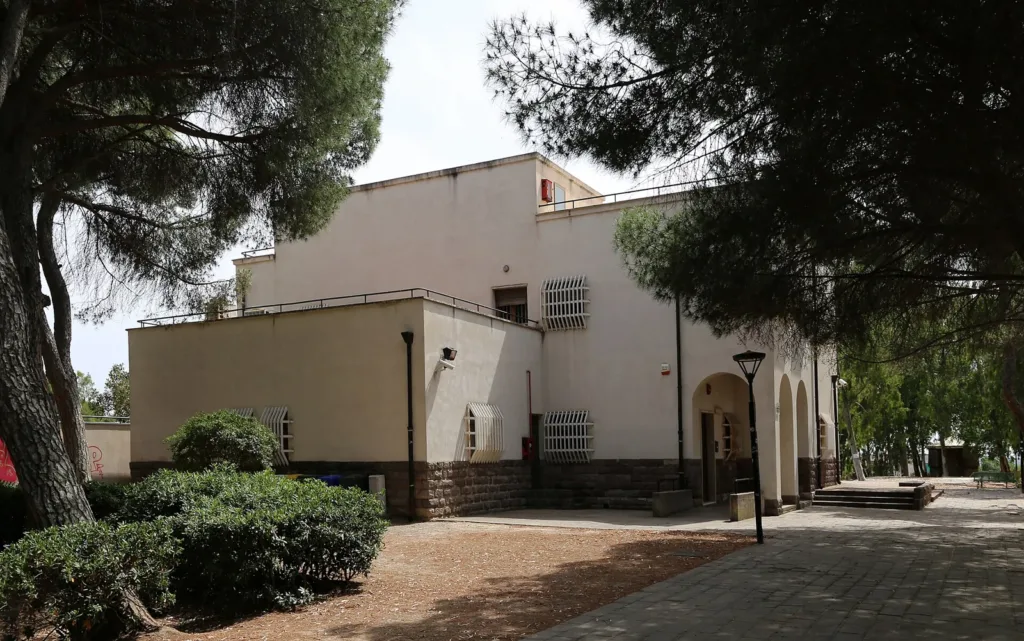

Villa Sulcis Archaeological Museum, on Via Campania in Carbonia, offers a different way to understand the town and its surroundings. Its collections introduce the area's past through physical objects. You do not need to arrive knowing a list of dynasties, excavation dates or archaeological terms. A more useful starting point is to notice the relationship between the object in a display case, the place it came from and the explanation supplied by the museum.
This guide focuses on the museum experience. The archaeological sites represented by its collections have their own stories and visiting routes. For an outdoor introduction to buildings and excavation areas, see our separate guide to Monte Sirai. Here, the starting point is a museum object and the questions you can ask about it.
Locate the object before reading its story
The regional museum description identifies three rooms covering the territory, Phoenician Sulcis and Monte Sirai. This gives you a useful framework: the collection does not represent a single excavation, and not every object comes from the modern town of Carbonia. Reading the place names on labels helps reveal the wider area represented by the displays.
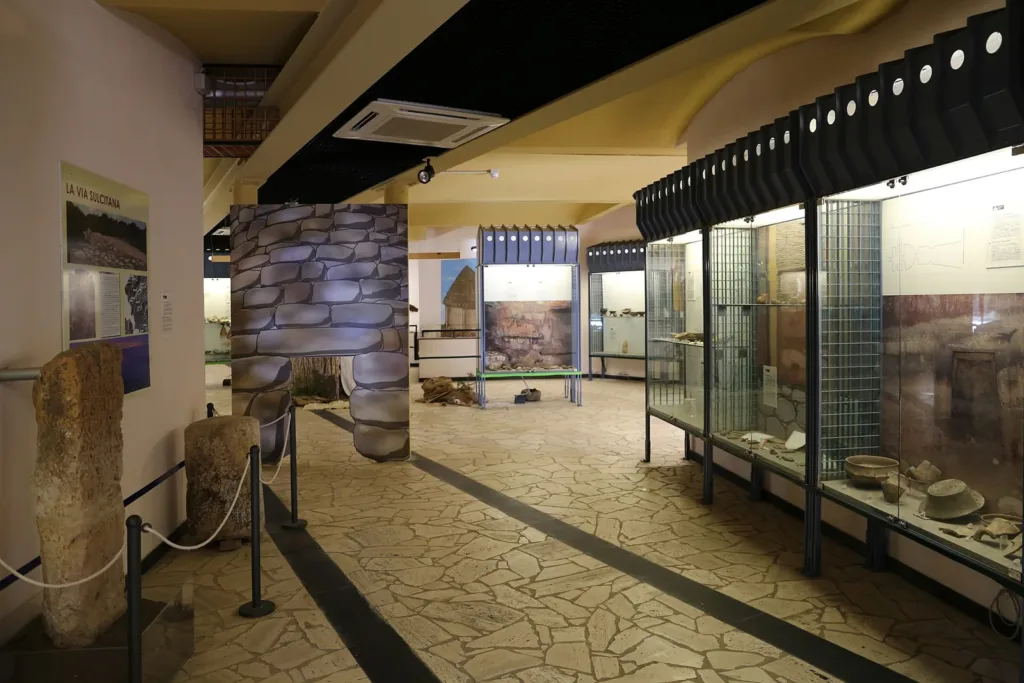

Before concentrating on a particularly decorative piece, look for its location on a map or in its label. Are the neighbouring objects from the same place, or is the museum comparing different locations? This small distinction makes a collection easier to follow. Try noting three things for a favourite object: where it was found, what it is made from and its proposed function. Afterwards, these connections may be easier to remember than isolated dates.
Distinguish surviving evidence from reconstruction
The regional Virtual Archaeology project documents models, panels and reconstructed contexts at Villa Sulcis, whose renewed museum opened in 2008. Such displays help connect individual finds with spaces and activities. They are especially useful when an object alone gives little indication of the setting in which it was once used.
While looking, distinguish an original object from a modern reconstruction. An intact item, a fragment and a model provide different kinds of evidence. Read the display's explanation and ask your guide when the distinction is unclear. This is not a question reserved for specialists. Understanding where surviving material ends and interpretation begins can make even a modest display case much more rewarding.
A simple exercise is to describe an object before reading its name. Can you see an opening, a handle or a worn surface? Is it decorated or relatively plain? Then compare your observations with the label. The aim is not to guess correctly at any cost. It is to recognise what the museum adds to the information you can identify for yourself, including details that would otherwise remain invisible.
Give an inscribed stone time to speak
Among the Roman evidence listed by SardegnaCultura are milestones from the Via Sulcitana. One of the photographs within this article shows an example held by the museum. This kind of object encourages a different pace of looking. Rather than relying on bright colour or an immediately recognisable figure, it draws attention to a surface, a set of marks and an explanation that rewards careful reading.
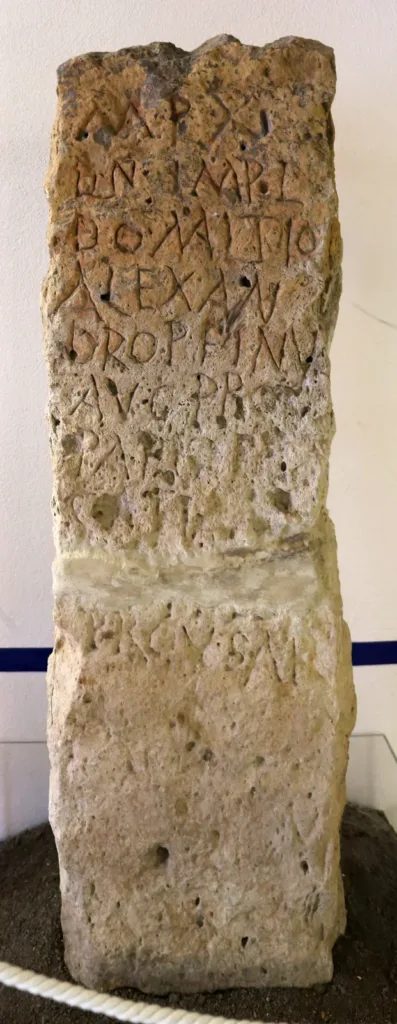

At an inscription, distinguish the letters you can genuinely recognise from the transcription provided by the museum. Ask which parts survive clearly and which need scholarly interpretation. You do not need to understand Latin to appreciate how physical observation and historical explanation work together. Equally, avoid giving every mark a definite meaning: damage and wear are not necessarily elements of the original writing.
Make room for different visitors
With children, a small investigation can work better than trying to remember an entire chronology. Choose a material and look for it in different cases, or compare two similar objects presented in different contexts. Let each visitor select something to describe to the others using information they have actually observed or read. There is no need to turn the visit into a competition or a test.
If photography is a major interest in your group, agree on a pace that also leaves time for explanations. Ask the reception staff about photography and flash rules. Where permitted, a readable photograph of a label can help preserve the correct provenance. A few documented pictures are more useful than many unidentified images that lose their connection to the collection as soon as the visit ends.
Check practical arrangements before setting out
Use the museum contacts and current information linked from SardegnaCultura to confirm opening arrangements, guided visits and admission for your chosen date. If you have accessibility requirements, explain what you need in practical terms. Step-free movement, opportunities to sit down and reading support are separate questions and deserve specific answers from the museum.
Our Villa Sulcis listing on the map places the museum among other businesses and places in Carbonia. After visiting, choose one question that remains unanswered and follow the museum's suggested reading. This gives the experience a useful continuation: remembering an object together with its context is more meaningful than collecting a list of rooms you have passed through.