
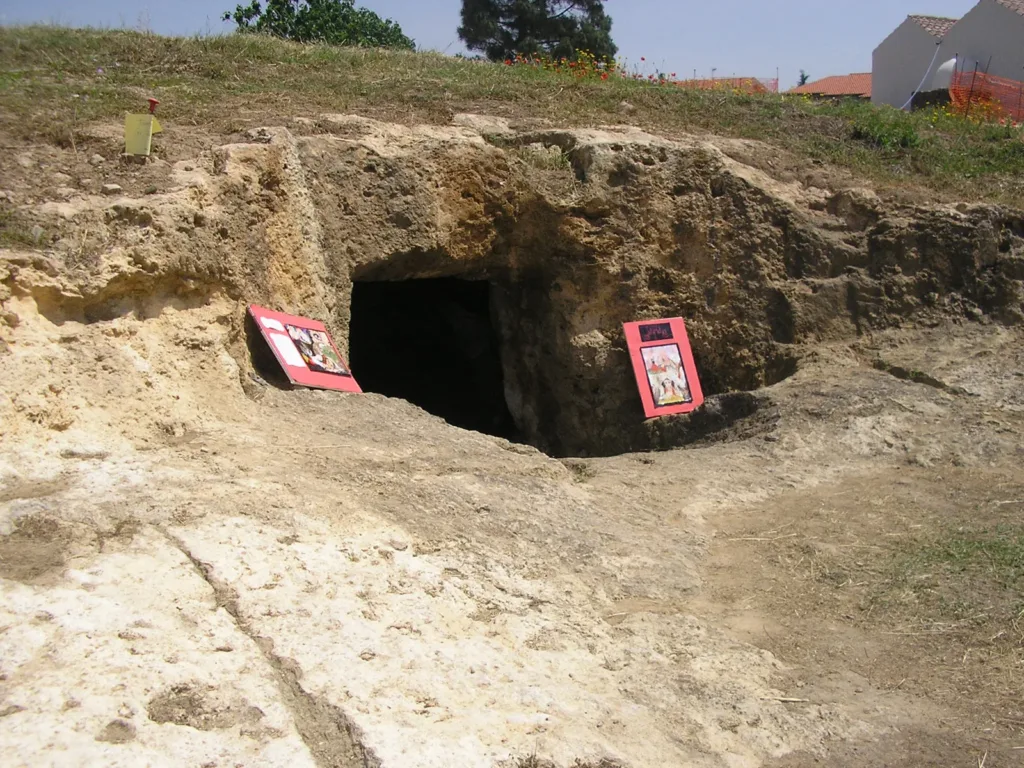

At Cannas di Sotto, archaeology sits among the houses of Carbonia. Openings in the rock belong to a prehistoric burial ground; seeing modern buildings behind them makes the distance between two uses of the same landscape immediately apparent. Sa Grutta urban park preserves that relationship and offers an encounter with a past that long predates the mining town.
When looking at a tomb entrance, ask how it was created and subsequently altered. An excavated chamber does not reveal its entire history through its present shape: traces of different phases can survive together. This guide concentrates on the necropolis, its entrances and the importance of archaeological context, without assigning an elaborate story to features that cannot support one.
A burial ground older than the nuraghi
Italy's national cultural heritage catalogue places Cannas di Sotto in the fourth millennium BC and associates it with the San Michele di Ozieri culture. The municipality describes its use between the end of the Neolithic and the early Copper Age. This is a pre-Nuragic funerary complex; calling it simply “Nuragic” would obscure its position within Sardinia's prehistoric sequence.
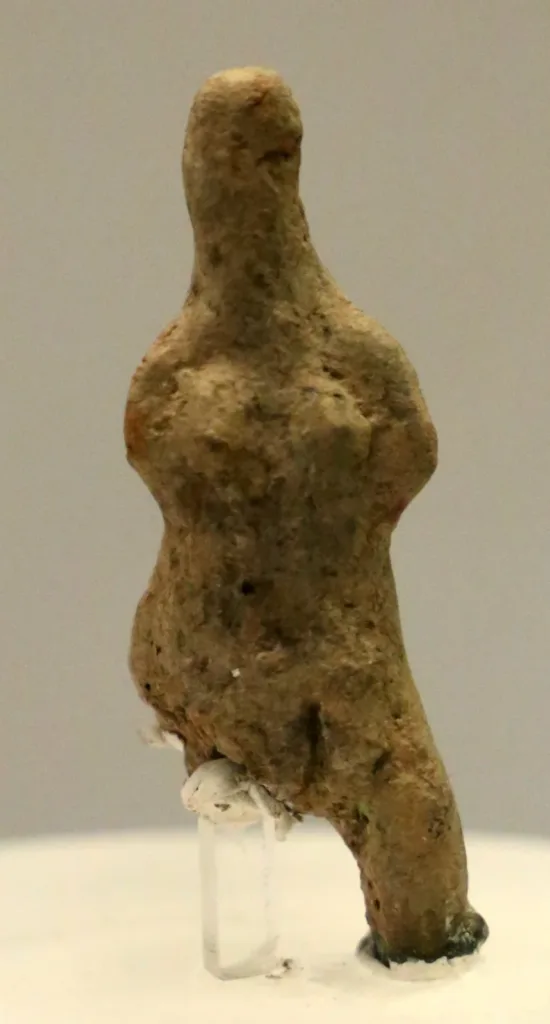

The photograph of a female figurine from Cannas di Sotto introduces another aspect of archaeological investigation. Recovered objects can be examined away from the place where they were deposited, but excavation records remain essential to interpreting them. A figurine's appearance alone cannot establish the identity of a deity or provide a certain account of a ceremony. Provenance and context matter, even when they seem less immediately striking than the shape of an object.
Shafts and passages: two approaches to a chamber
SardegnaCultura describes 26 underground tombs identified in the travertine hill. They include vertical entrance shafts and horizontal passages; several tombs have both arrangements, partly as a result of alterations. Comparing the two encourages visitors to regard the entrance as a route into a space, rather than concentrating exclusively on the chamber at its end.
An “hypogeum” is an underground space. Here, rooms were made by removing rock, whereas an above-ground building usually encloses space by adding materials. The difference changes what there is to examine: an internal wall also belongs to the rock mass, and the entrance connects the hillside surface with the funerary chamber below or behind it.
On a guided visit, ask which features distinguish one phase from another. A shaft and a passage should not automatically be imagined as contemporary. Where an interpretive plan is available, use it to relate the opening, changes in level and chamber. An external view alone can make the arrangement of the excavated space difficult to understand, particularly when part of it is hidden from sight.
Later uses changed the evidence
The regional description records subsequent uses of the tombs as storage spaces, kilns and animal shelters. Above them, Medau Sa Grutta represents a rural phase in the site's history. Its presence makes it especially clear that this ground continued to have a purpose long after the prehistoric burials had taken place.

Try separating three questions while looking at the site. What belongs to the funerary excavation? What results from a later alteration? What has been installed for visitors today? A guide may be needed to answer them, but the distinction is useful in itself. It prevents every visible cut, opening or arrangement from being treated as part of the prehistoric design.
Reuse does not remove the value of an ancient structure; it adds an interpretive problem. A chamber adapted for another function may have lost parts of its original arrangement. The space visible now and the context recorded by archaeologists therefore provide complementary information. Comparing them is more revealing than assuming that the chamber always looked and functioned exactly as it does today.
Connecting the hillside with surviving finds
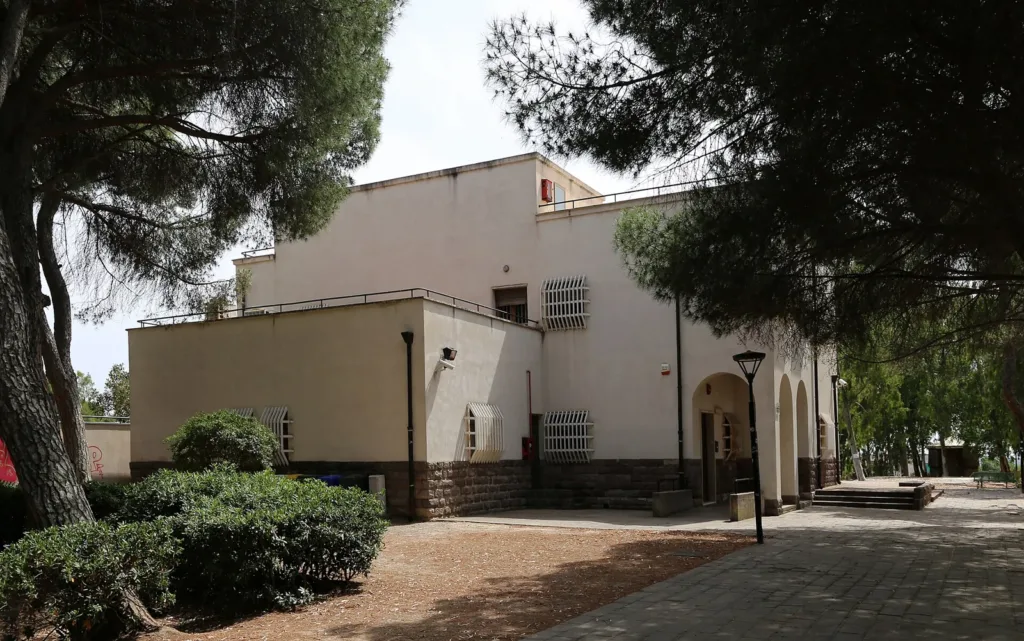
Villa Sulcis provides the museum connection for understanding the site. The municipality explains that its displays use reconstructed contexts and comparisons to make finds easier to interpret. A reconstruction is an explanatory tool: it presents an interpretation, while an original object and an excavated deposit preserve different kinds of evidence.
The museum exterior shown here illustrates that connection; it is not a photograph of a sector of the necropolis. For the wider exhibition, consult the separate Villa Sulcis Archaeological Museum guide. At Cannas, keep the relationship between rock-cut rooms, hillside and subsequent alterations in mind. That relationship remains relevant when the objects are encountered in a display case rather than in the ground.
Arrange your visit to Sa Grutta park
The Cannas di Sotto listing locates the site. The municipal page identifies an entrance on Via Fertilia and describes guided visits by reservation. Confirm current arrangements with Carbonia's museum service before travelling, including which areas will be open and where to meet the guide.
If mobility is a consideration, describe the part of the site you hope to visit and ask about surfaces, gradients and chamber entrances. An urban setting does not mean that every underground room can be reached in the same way. From the permitted visitor areas, comparing an entrance with the surrounding hillside can already reveal something tangible about the work involved in creating the necropolis.